By Kevin Chisholm
Posted 10/24/2026
The Fralin Twangmaster is one of those rare pickups that lets a Tele-style voice stretch its legs without losing the reason we love it. It keeps the sharp, snappy response you expect, then adds a little extra warmth and control so you can lean into the pick without getting icy on top. If you’ve ever wished your bridge bite came with a smoother aftertaste, this lands right in that sweet spot.
What the Fralin Twangmaster Is (and what it isn’t)
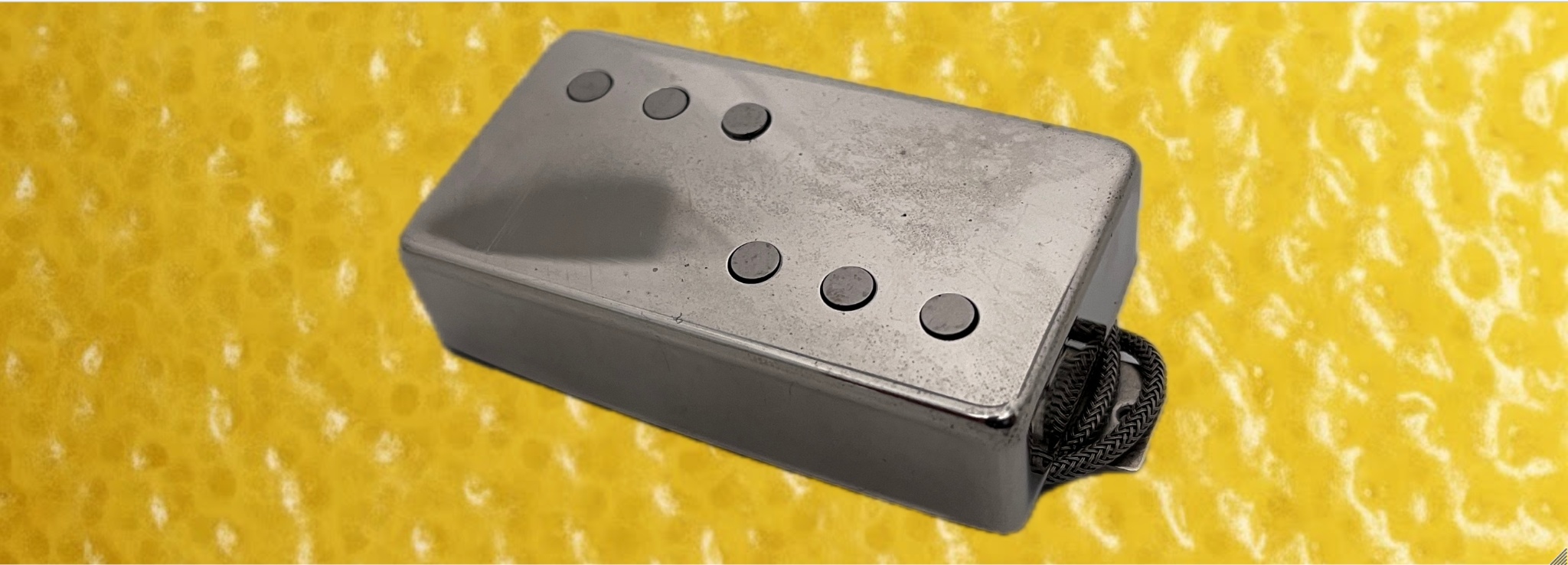
On the surface, the Twangmaster looks like a humbucker in Tele clothing, but the recipe is closer to a focused single-coil approach built into a humbucker-sized shell. Alnico 5 magnets do the heavy lifting, with DC resistance measuring about 7K in the neck and 8K in the bridge. That spread keeps the top end lively and the lows tight, with a midrange that stays musical instead of nasal. It’s designed to deliver that unmistakable “twang,” just with a touch more body and forgiveness.
Feel, Dynamics, and Real-World Use
Clean tones sparkle in a very familiar way—think classic country clarity—yet there’s an underlying roundness that tames the brittle edges. The bridge still snaps when you dig in, but the attack feels more controlled; the neck opens up for bluesy lines and wide, piano-like chords. Add a little drive and the Twangmaster stays articulate. Notes remain separated, chords don’t smear, and there’s a natural bit of compression that makes hybrid picking and double-stops feel effortless. It’s the kind of pickup that rewards touch—play softly and it shimmers; lean in and it barks without getting harsh.
Build, Materials, and Options
Hand-wound in Richmond, Virginia, the Twangmaster uses 42/43-gauge single poly-nylon wire and is wax-potted to keep microphonics at bay while preserving air and detail. Wiring is the straightforward 2-conductor variety (no coil-split gymnastics here), and you can choose Tele-style covers in chrome or black to suit the guitar’s look. The consistency from unit to unit is excellent, and output is balanced so the middle position feels “just right” rather than like two different worlds stitched together.
On Stage & in the Studio
In a live mix, the Twangmaster cuts without turning glassy. It’s great for country, roots rock, Americana, and even clean jazz, where you want clarity and nuance but don’t want to fight ice-pick highs. In the studio, it sits where engineers like a guitar to live—present, not poking holes in the mix. That balance is a big reason why players like Redd Volkaert gravitate toward Fralin designs: bell-like notes, a musical attack, and articulation that doesn’t turn clinical.
Specs & Pricing for the Fralin Twangmaster
- Magnet: Alnico 5
- DC Resistance: Neck ~7K; Bridge ~8K
- Wiring: 2‑conductor lead
- Wax Potting: Yes
- Wire Type: 42 / 43‑gauge single poly‑nylon
- Cover Options: Tele‑style chrome or black
- Product Page: fralinpickups.com/product/twangmaster/
- Typical Retail Price (each): around $185 USD from major dealers
- Typical Street Price (used): commonly $140–$200 on marketplaces like Reverb; occasional clearances lower
Why You Might Choose the Twangmaster
- You want real Tele snap without the brittle edge.
- You prefer clarity and separation under gain instead of a thick mid hump.
- You like a hum-cancelling, humbucker-sized drop‑in that still sounds unmistakably “Fender‑flavored.”
- You want simple, reliable wiring and classic looks.
Who It’s Not For
- If your goal is a big, compressed humbucker grind, this isn’t that.
- If you chase ultra-hot output, you’ll likely want a different wind.
Summary
The Fralin Twangmaster blends Telecaster-style sparkle with a smoother, more forgiving feel. It’s articulate and dynamic, with tight lows, present but polite highs, and a midrange that reads musical instead of spiky. Hand-wound construction, sensible options, and consistent output make it a dependable upgrade. If you’re after classic twang with grown‑up manners—in a humbucker-sized format that drops right in—the Twangmaster delivers exactly that.